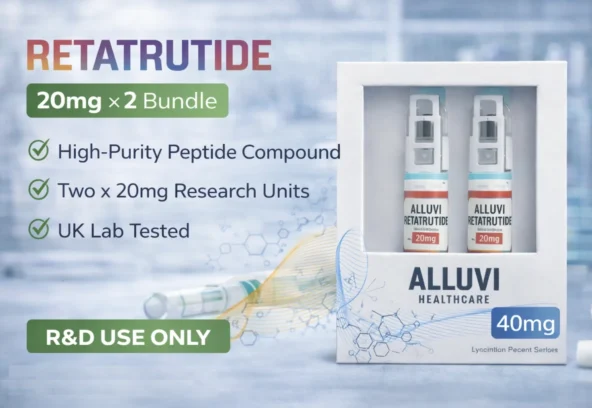

Retatrutide Kaufen
Introduction
The question “what does retatrutide Kaufen do” has become increasingly common in scientific and research circles as interest in advanced metabolic peptides continues to grow. Retatrutide is a next-generation investigational peptide that has attracted attention due to its unique multi-receptor activity and its potential role in metabolic research.
Unlike traditional single-pathway compounds, retatrutide operates through a more complex biological mechanism, making it a subject of interest for researchers studying metabolism, energy balance, and hormone signaling. In this article, we will break down what retatrutide does, how it works, and why it is considered a significant development in peptide research.
What Is Retatrutide Kaufen?
Before diving into what retatrutide does, it is important to understand what it is.
Retatrutide is a triple agonist peptide, meaning it is designed to interact with three different hormone receptors simultaneously. These receptors are involved in regulating metabolic processes such as:
- Appetite control
- Energy expenditure
- Glucose metabolism
This multi-target approach is what differentiates retatrutide from earlier peptides that typically focus on only one or two pathways.
What Does Retatrutide Do in the Body?
To properly answer the question “what does retatrutide do”, we need to examine its mechanism of action.
Retatrutide primarily works by activating three key receptor pathways:
1. GLP-1 Retatrutide Kaufen Receptor Activation
The GLP-1 (glucagon-like peptide-1) receptor plays a role in:
- Regulating appetite
- Slowing gastric emptying
- Supporting glucose balance
By activating this receptor, retatrutide may influence how the body processes food intake and energy usage.
2. GIP Receptor Activation
The GIP (glucose-dependent insulinotropic polypeptide) receptor is involved in:
- Insulin signaling
- Nutrient metabolism
- Fat storage regulation
Retatrutide’s interaction with this receptor contributes to its broader metabolic effects.
3. Glucagon Receptor Activation
The glucagon receptor is associated with:
- Energy expenditure
- Fat metabolism
- Glucose release
This pathway is particularly important because it may counterbalance some of the effects of the other receptors, creating a more dynamic metabolic response.
Retatrutide Kaufen Combined Effect: A Multi-Pathway Mechanism
So, what does retatrutide Kaufen do when all three pathways are activated together?
The combined activation creates a coordinated effect that may influence:
- Appetite signaling
- Caloric intake regulation
- Energy utilization
- Metabolic efficiency
This multi-receptor interaction is what makes retatrutide especially interesting in research settings. Instead of targeting a single biological process, it appears to orchestrate multiple systems simultaneously.
Why Retatrutide Is Unique
When discussing what retatrutide does, it is important to highlight what makes it different from other peptides.
Triple Agonist Design
Most peptides target one receptor. Some newer compounds target two. Retatrutide targets three, which may lead to more comprehensive metabolic modulation.
Synergistic Effects
The interaction between the three receptors may produce synergistic outcomes, meaning the combined effect is greater than the sum of individual actions.
Research Innovation
Retatrutide represents a shift toward multi-functional peptide design, a growing trend in advanced biochemical research.
Areas of Scientific Interest
Understanding what retatrutide does also involves looking at where it is being studied.
Researchers are currently exploring its role in:
1. Metabolic Regulation
Retatrutide is being studied for its potential influence on how the body regulates:
- Energy intake
- Nutrient utilization
- Hormonal balance
2. Energy Expenditure Research
Because of its interaction with the glucagon receptor, retatrutide may play a role in:
- Thermogenesis (heat production)
- Caloric burn mechanisms
- Fat metabolism pathways
3. Appetite Signaling Studies
Its GLP-1 activity makes it relevant in research focused on:
- Hunger hormones
- Satiety signals
- Feeding behavior
4. Glucose and Insulin Pathways
Through GIP and GLP-1 pathways, retatrutide is also examined in studies involving:
- Insulin response
- Blood glucose regulation
- Endocrine system interactions
How Retatrutide Kaufen Compares to Other Peptides
To better understand what retatrutide does, it helps to compare it with other peptide classes.
| Feature | Traditional Peptides | Retatrutide |
|---|---|---|
| Receptor Targets | 1 | 3 |
| Mechanism | Single pathway | Multi-pathway |
| Complexity | Lower | Higher |
| Research Scope | Narrow | Broad |
This comparison shows that retatrutide is part of a more advanced category of peptides designed for broader biological interaction.
Research Considerations
While exploring what retatrutide does, it is essential to understand that it is still under investigation.
Not Fully Established
The full range of its biological effects is still being studied, and ongoing research is required to better understand its mechanisms.
Controlled Environments
Most data available comes from controlled laboratory and clinical research settings.
Retatrutide Kaufen Evolving Understanding
As more studies are conducted, our understanding of retatrutide’s effects will continue to evolve.
Why Researchers Are Paying Attention
The growing interest in what retatrutide does can be attributed to several factors:
- Its multi-receptor approach
- Its potential to influence multiple metabolic systems
- Its role as a next-generation peptide
- Its application in advanced biochemical research
This level of complexity makes it a valuable subject for ongoing investigation.
The Future of Multi-Pathway Peptides
Retatrutide is part of a broader shift in peptide science toward multi-pathway targeting compounds.
Future research may focus on:
- Enhancing receptor selectivity
- Improving stability and delivery methods
- Expanding applications in metabolic and endocrine research
Understanding what retatrutide does today helps lay the groundwork for the next generation of peptide-based innovations.
Conclusion
So, what does retatrutide do?
In simple terms, retatrutide is a triple agonist peptide that interacts with GLP-1, GIP, and glucagon receptors to influence multiple metabolic processes at once. Its ability to coordinate these pathways makes it a unique and promising compound in research environments.
Rather than acting on a single biological system, retatrutide represents a more advanced approach—one that integrates appetite regulation, energy expenditure, and metabolic signaling into a unified mechanism.
As scientific research continues, retatrutide remains a key focus for those studying complex metabolic interactions and the future of peptide design.
Disclaimer:
This content is for informational and research Chemicals purposes only. Retatrutide is an investigational compound and is not approved for human consumption, medical use, or therapeutic application.